Process

Profile Bluebill Decoys

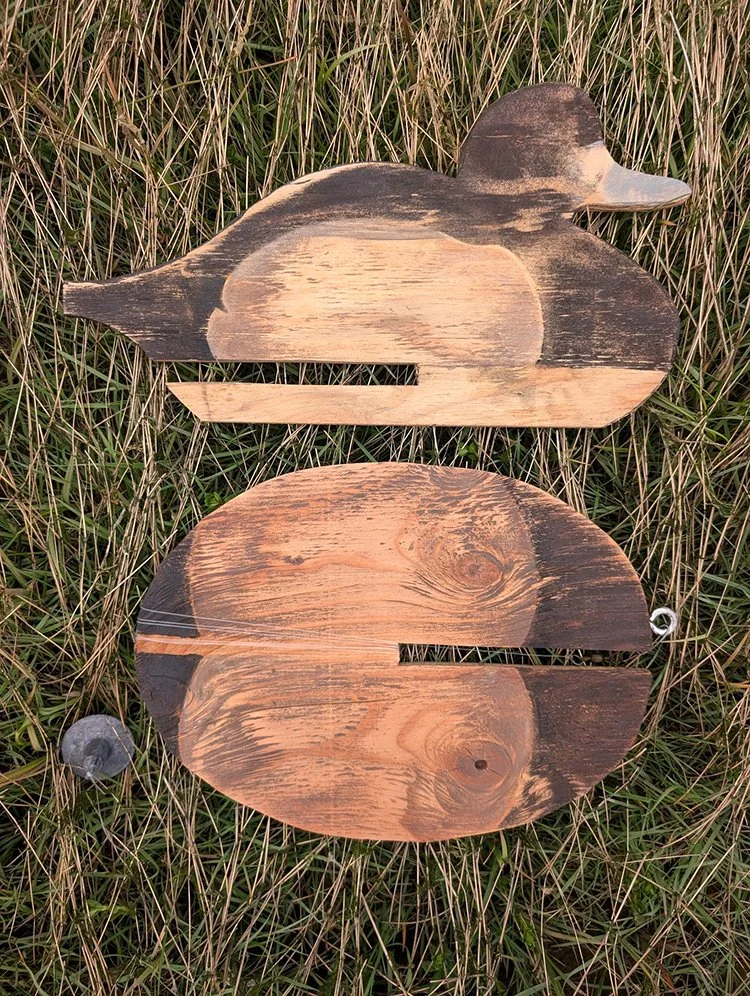
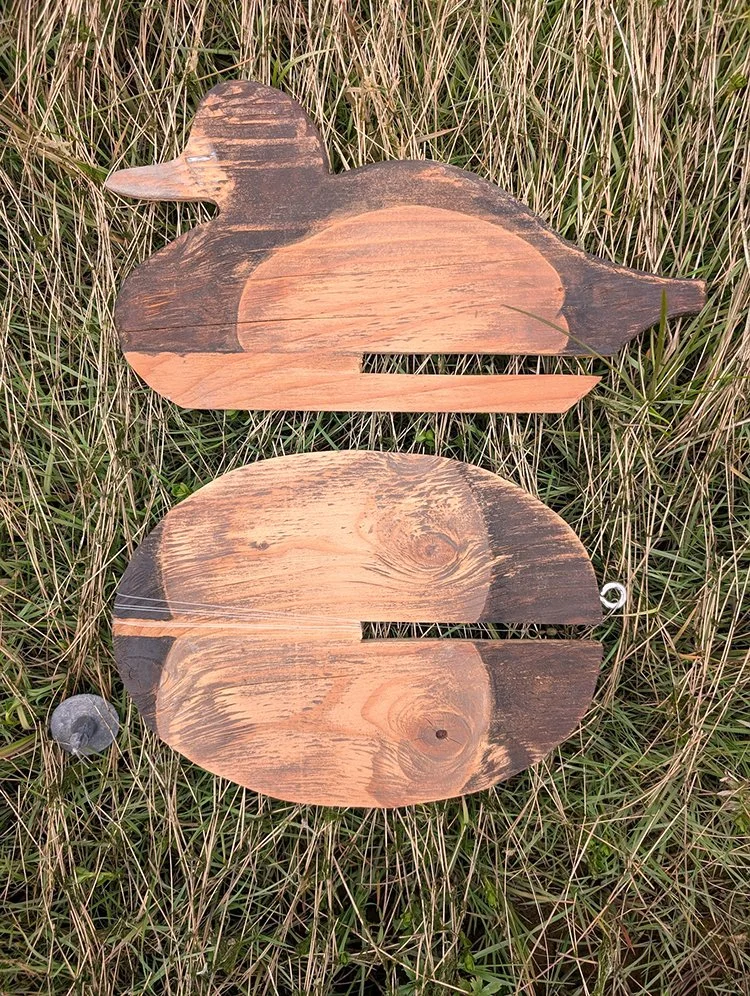
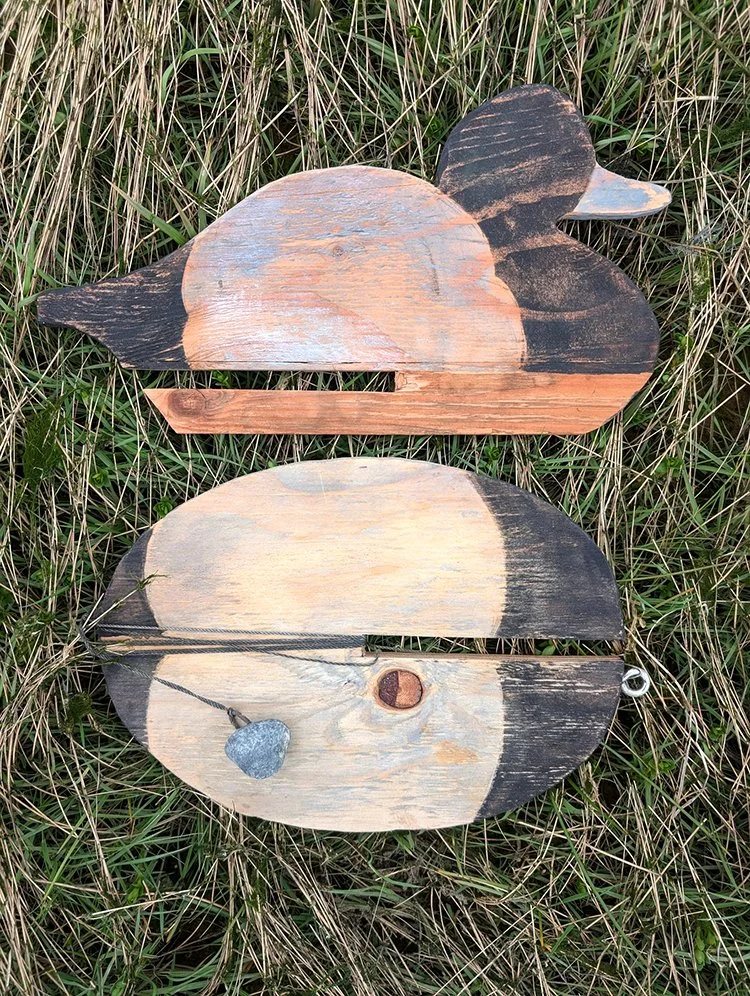
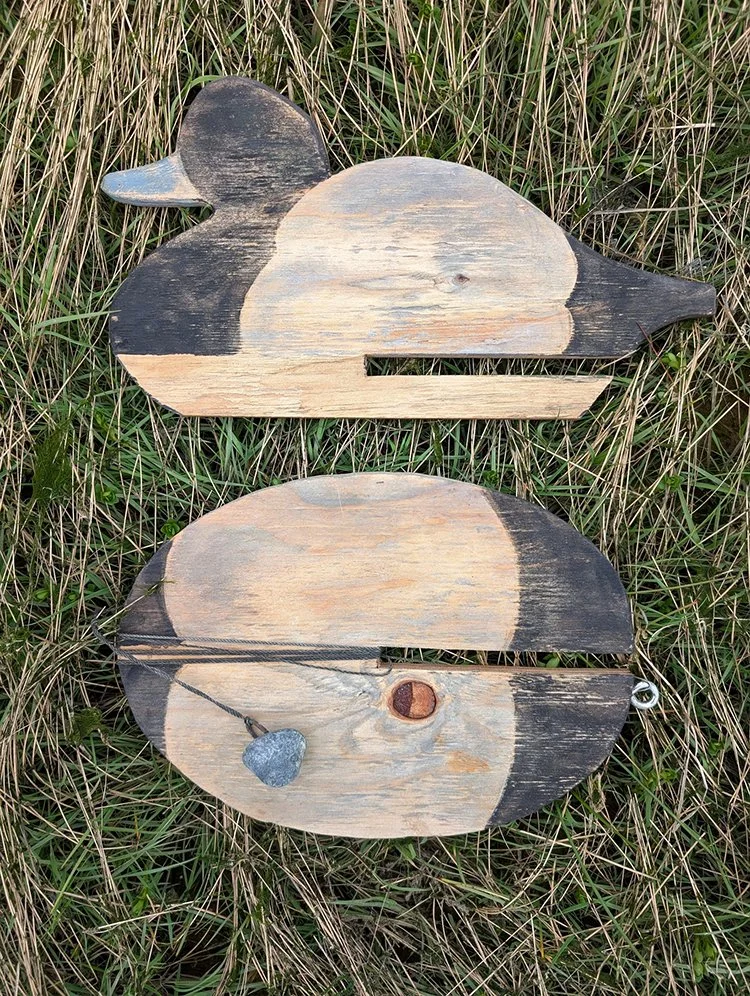
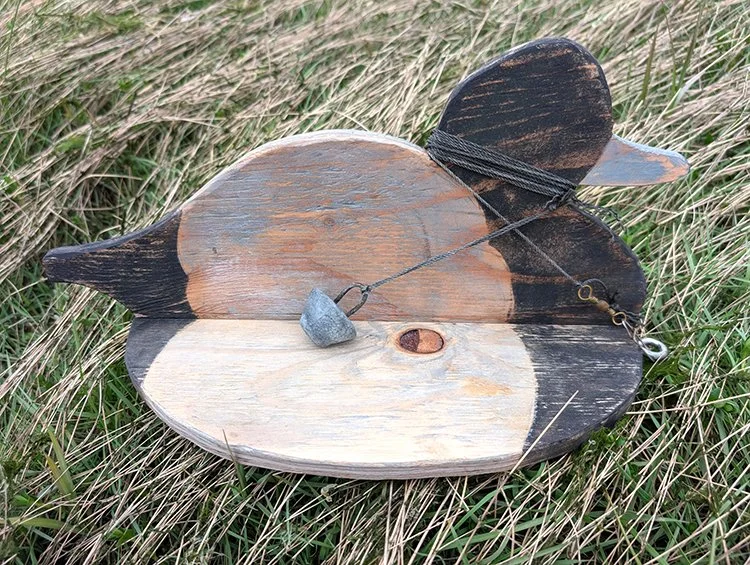
Wooden silhouettes appealed to hunters who required large numbers of lightweight, transportable waterfowl decoys that were made cheaply and quickly using only sawed boards and a fastening point for line and anchor.  

Fifty to upwards of two hundred “flatties” were set out at a time along coastlines in the paths of incoming flocks of birds, their dark colors contrasted against the water pulling in diver ducks such as scaup and scoters from the sky, wings cupped into shotgun range.

Silhouettes are still in use today although they are now mass produced and made of water-resistant, lightweight and ridged corrugated plastics.

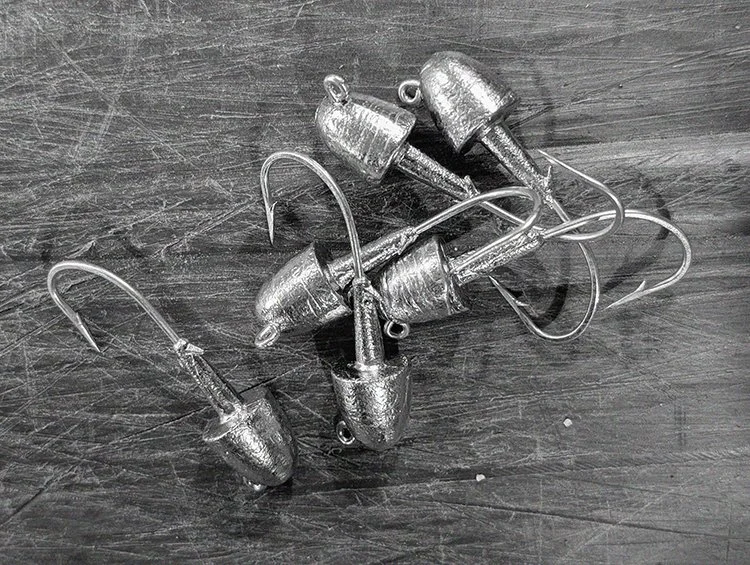
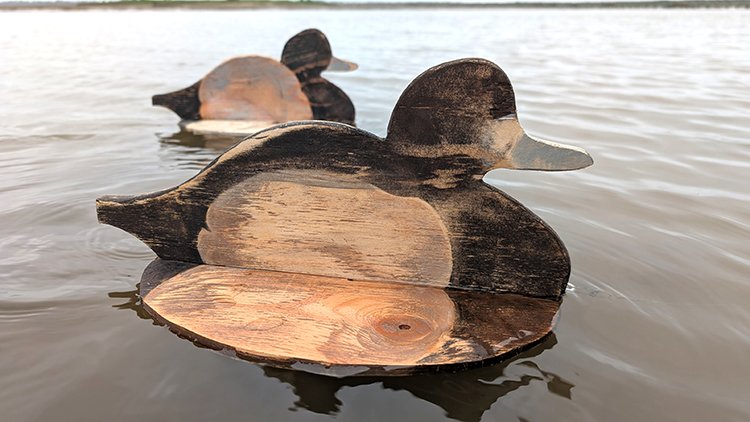
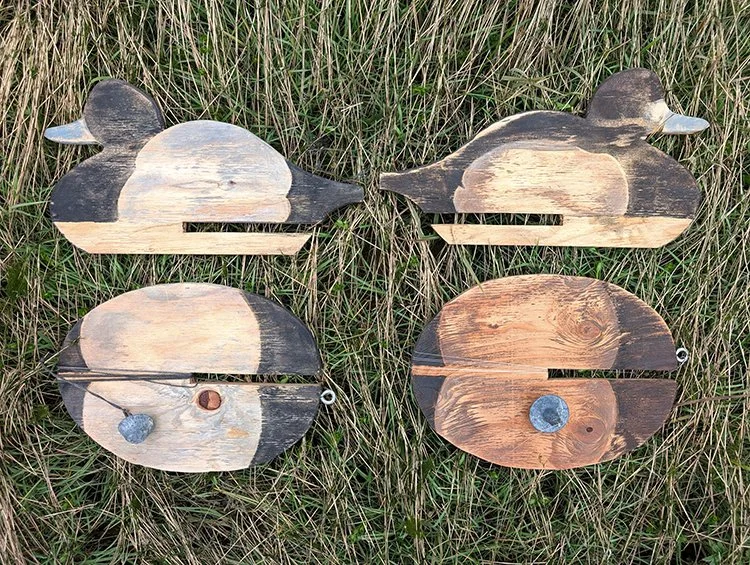
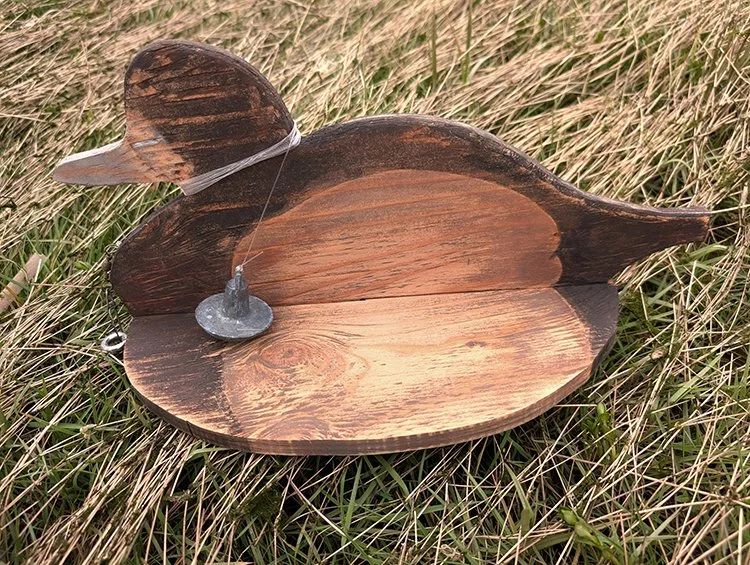
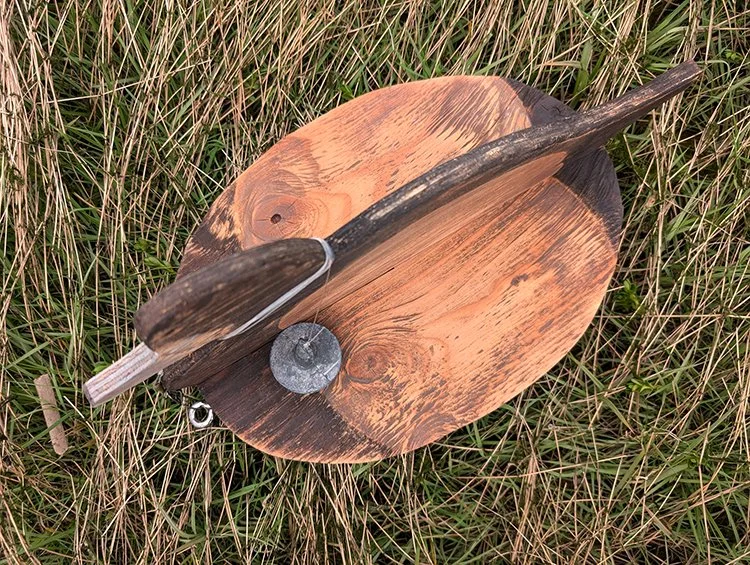
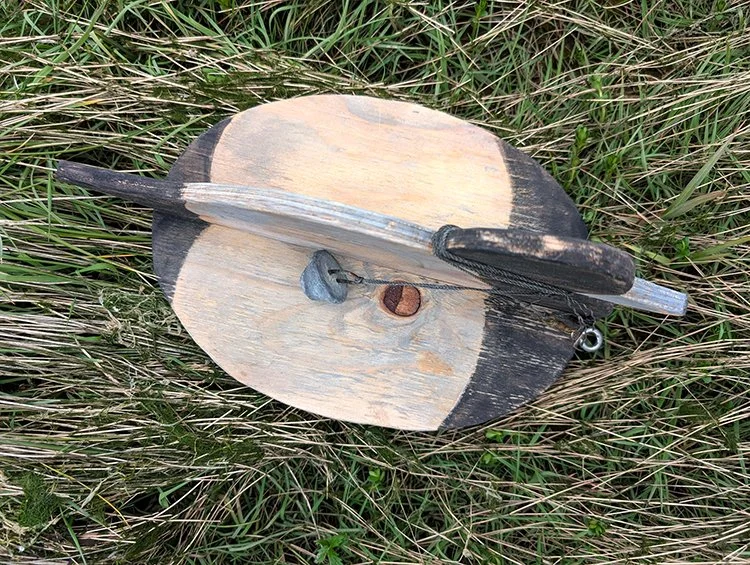
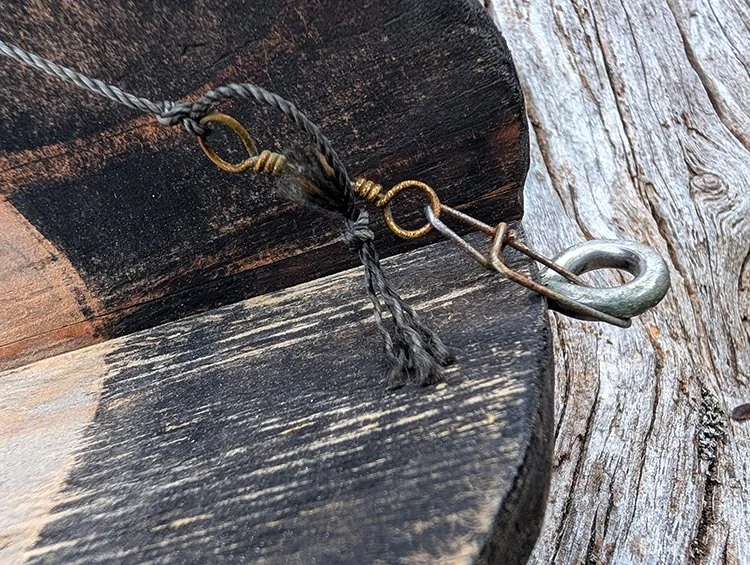
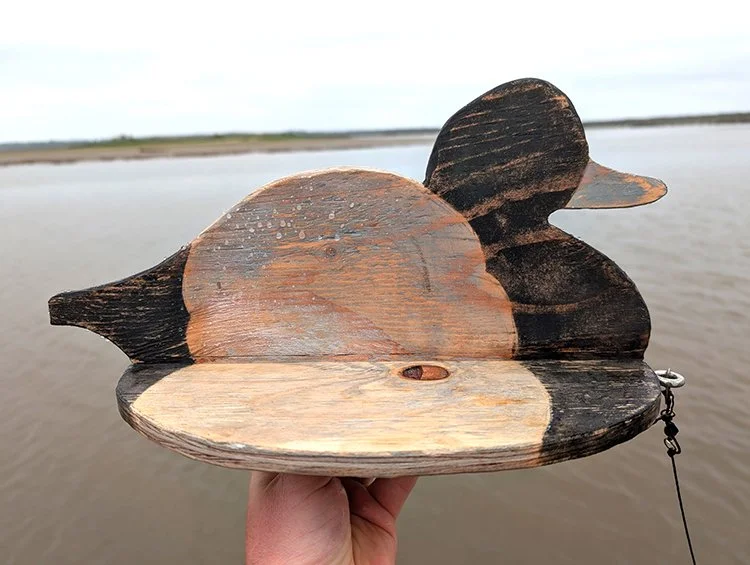
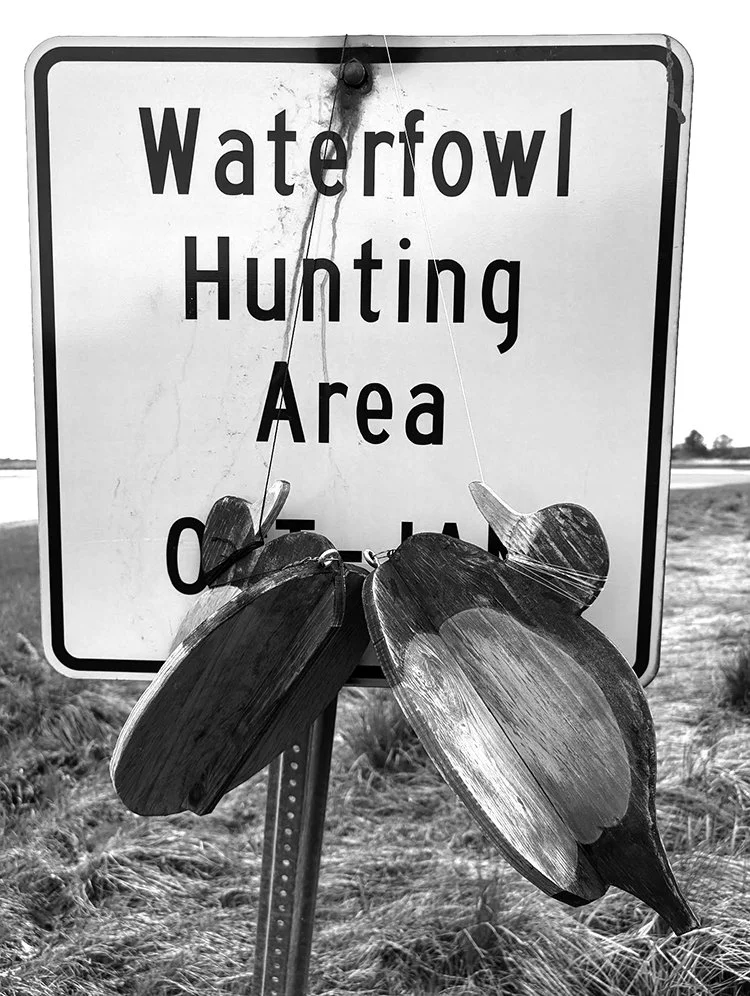
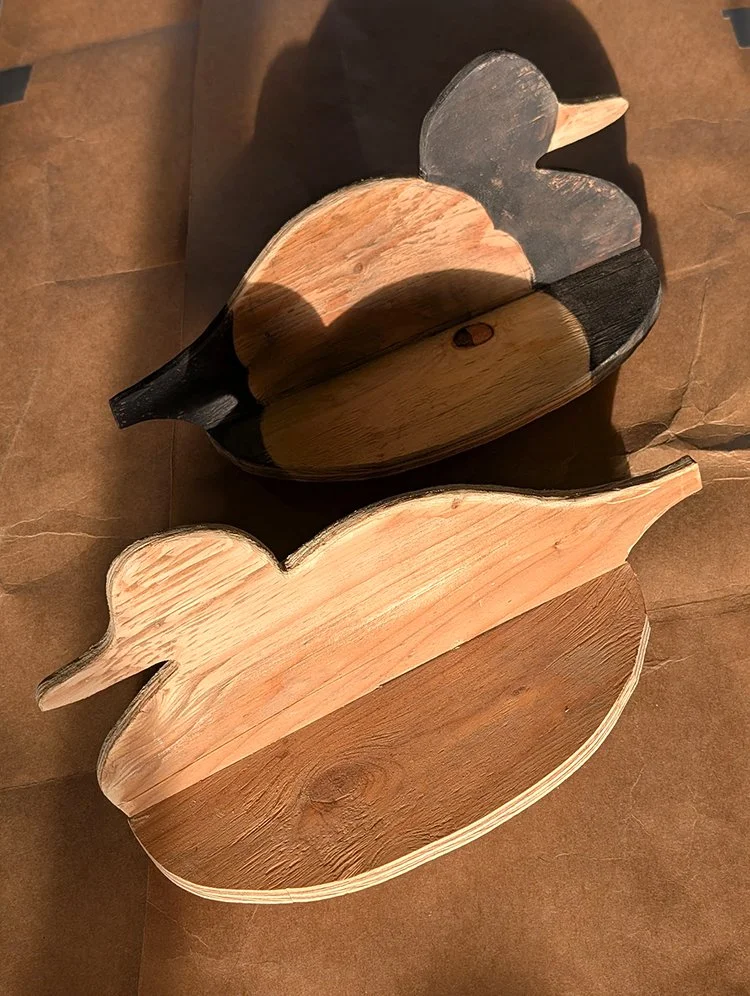
I made this pair of bluebills wanting to mimic a pair of nineteenth century working birds. The hardware is rusted, and the drake’s waxed line is faded, broken and has been retied, the hen’s line has been replaced by a stiff monofilament, both being tied to 6-ounce lead mushroom anchors for mooring in soft mud.

Each measure 14” from tail to breast, 16” wide and 7 ¼ inches from the top of the head to the bottom.

FOR SALE

In Progress

Attempt at a Full Body Fish Cast

My first attempt at a two sided, full body cast of a chinook salmon jack. The molding went well, but it completely fell apart during the casting process. For whatever reason the two halves did not bond. I am not sure if it was due to the sloppy shelf or inadequate curing time. However, the mouth plug and fins did come out well, and I consider that a small success.

Coho Salmon Replica

A handsome coho salmon I molded, then cast in resin. The eyes were set, and after minor sculpting, it was painted with an airbrush using acrylic paints, opaque and iridescent. I colored it as it would look migrating from the vast salt ocean to its final destination in a small coastal stream.